

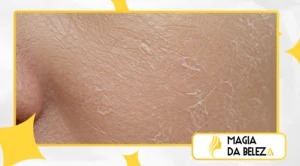
When dry skin appears, it doesn't come alone. It's accompanied by discomfort, a rough feeling to the touch, and often a dull, lifeless appearance.
Advertisements
Just look at your legs after showering or your face upon waking on cold days to notice the signs. Skin loses its natural glow, appears tight, and makeup no longer adheres as smoothly. All of this is a sign that the protective barrier is weakened and crying out for help.
Fortunately, intense hydration can transform this scenario. And the best part is that you don't need to make any major changes to achieve this.
With some simple care, attention to what you use, and consistency in your routine, it's possible to restore your skin's comfort, softness, and radiance.
But before understanding how to solve the problem, it's important to delve into the causes and behaviors that keep the skin in this dry cycle.
What Causes Dry Skin?
Several factors can contribute to dry skin, and many of them go unnoticed in everyday life.
Cold, dry weather is often one of the main culprits, as it reduces air humidity and increases water loss from the skin.
Hot showers, so common in colder seasons, also have a harmful effect: they remove the skin's natural oils, leaving it unprotected.
Furthermore, the use of harsh soaps, excessive exfoliation and lack of hydration after bathing contribute to worsening the condition.
Another important point is water intake. When the body is dehydrated, the skin feels it. While using creams is essential, care needs to come from within as well.
Similarly, people with dietary habits low in good fats, such as those found in seeds, avocados, and olive oil, may have more difficulty maintaining an intact skin barrier.
And emotional factors can't be ignored. Prolonged stressful situations affect the body's balance and can directly affect skin health.
Just like the gut, which plays a fundamental role in nutrient absorption and inflammation control, when something is out of balance, the skin is one of the first to show it.
Read also: Teas for Perfect Skin: Proven Benefits + Recipes
How to Restore Skin Hydration
The first step to treating dry skin is understanding that it needs to be embraced, not just treated.
This means respecting your signals, offering ingredients that bring immediate relief, and creating an environment conducive to regenerating the protective barrier.
Moisturizing your skin in a rush or using just any product isn't enough. It's important to pay attention to the moisturizer's texture, the active ingredients in the formula, and the right timing for application.
Right after showering, while your skin is still damp, is the ideal time to maximize product absorption. This simple gesture can make a difference in just a few days of use.
There are specific active ingredients that greatly aid this process. Urea, for example, has high hydrating power and also aids in cell renewal. Hyaluronic acid attracts and retains water in the skin's layers, improving volume and smoothness.
Shea butter and jojoba oil, in turn, create a protective film that prevents water loss, while also deeply nourishing.
Another key point is frequency. Using moisturizer once a week or when your skin is already cracking won't do the trick. Care needs to be daily, with care and consistency.
For drier or more sensitive skin, reapplying throughout the day may be necessary—especially in areas that suffer most, such as hands, elbows, knees, and feet.
When Skin Needs Extra Help
There are times when moisturizer alone isn't enough. In these cases, products with a thicker texture, such as balms and regenerating ointments, come into play.
They are ideal for critical moments, such as when the skin is peeling, cracked or burning.
It's also worth considering using pure vegetable oils, applied after moisturizer to seal in hydration.
This combination is powerful because the cream treats and the oil protects. The result is more resilient, healthy-looking, and comfortable skin.
For those with dry facial skin, especially on the cheeks and around the mouth, an effective tip is to apply a moisturizing night mask.
They create a smooth layer over your skin while you sleep, promoting deep repair and waking up with a visibly softer face.
Another step that makes a difference is swapping regular soap for a gentler product. Moisturizing soaps with a physiological pH cleanse without stripping the skin's natural protection.
This simple adjustment reduces the feeling of tightness after bathing and contributes to longer-lasting hydration.
Dry Skin and Makeup: How to Coexist?
Dry skin is often the biggest obstacle for makeup lovers.
Foundation cracks, concealer creases, and highlighter loses its glow. This happens because, without a proper protective layer, the skin doesn't hold the products as well as it should.
To overcome this difficulty, it's essential to properly prepare your skin before applying makeup. Starting with a good moisturizer is essential.
Waiting a few minutes for it to absorb and then applying a moisturizing primer helps create a smooth, even surface.
Creamy products tend to work best on dry skin. Choosing liquid blushes, cream highlighters, and foundations with a luminous finish can transform the final result.
And above all, remember that less is more. Thin layers of makeup adhere better and prevent the crease effect.
If you're applying makeup for an important event or photo shoot, it's worth investing in a more intensive skincare routine the days before. Moisturizing masks, gentle exfoliation, and the application of light oils at night can make your skin more receptive to makeup in the morning.
Changes That Come From Within
It's impossible to talk about healthy skin without discussing what happens inside the body. Hydration starts with water intake. Drinking fluids throughout the day helps keep skin more flexible, resilient, and healthy.
Additionally, including foods rich in good fats, antioxidants, and essential vitamins—such as A, C, and E—promotes cell regeneration and strengthens the skin barrier.
A colorful plate, full of vegetables, nuts and fruits, contributes more to beautiful skin than many people imagine.
Another important factor is the gut. A balanced digestive system improves nutrient absorption and reduces inflammatory processes that directly impact skin health.
Caring for your gut flora, with the support of fermented foods and fiber, can be an essential step for those dealing with persistent dryness.
Finally, don't underestimate the power of sleep. During rest, skin regenerates. Sleeping poorly for several consecutive days affects the texture and appearance of your skin, which loses elasticity, radiance, and firmness. A good night's sleep is as important as a good moisturizer.
Frequently Asked Questions About Dry Skin
How do I know if my skin is dry or dehydrated?
Dry skin lacks oil, while dehydrated skin suffers from a lack of water. Both can coexist and cause similar sensations. Observing the texture, feel, and appearance of your skin helps identify what's missing.
Does a hot bath dry out your skin even with moisturizer?
Yes. Hot water strips away the skin's natural protection. Even if you use moisturizer afterward, the impact of frequent heat can compromise long-term hydration.
Can I use pure vegetable oil on my face?
It depends on the type of oil and your skin. Some, like jojoba or grapeseed, are milder and safer for facial use. Always test first and observe your skin's reaction.
Can dry skin itch or burn?
Yes. When very dry, skin can become sensitive, flaky, and even crack. This causes itching and burning, especially in areas like the hands and feet. Moisturizing and protecting your skin is essential in these cases.
Is moisturizing once a day enough?
In most cases, yes. However, in dry climates or when the skin is severely compromised, reapplying throughout the day—especially on the hands and face—may be necessary.